
Industry Intelligence
White Paper – Powering Profitability: The Strategic Value of Energy Monitoring in Process Manufacturing
Across global manufacturing industries, energy consumption is rising while energy prices remain volatile. At the same time, manufacturers face increasing pressure to reduce operating costs, improve sustainability metrics, and maintain consistent product quality. In this environment, energy efficiency is no longer optional—it is a strategic imperative.

Despite this reality, many plants still operate with limited visibility into energy usage. Utility bills provide a monthly total, but they do not reveal which machines consume the most energy, when demand peaks occur, or how process changes affect consumption. Without this level of detail, optimization efforts are often based on assumptions rather than facts.
A well-known principle applies: you can’t optimize what you don’t measure. Energy monitoring addresses this challenge by providing continuous, granular insight into how energy flows through a facility. When energy data is captured at the equipment and process level, it becomes possible to identify inefficiencies, balance loads, reduce peak demand charges, and link energy consumption directly to production output.
For process manufacturers—particularly in feed mills and pelleting operations—energy monitoring is especially valuable. These environments rely heavily on motors, grinders, pellet mills, fans, compressors, and steam systems, all of which are energy-intensive and subject to wear, variability, and operational trade-offs. Energy monitoring enables manufacturers to understand these trade-offs and operate closer to optimal conditions.
Understanding Energy Monitoring
Energy monitoring is the continuous measurement and analysis of energy consumption across machines, processes, and systems within a manufacturing facility. Its purpose is to provide real-time and historical visibility into energy use so operators, engineers, and managers can make informed decisions.
At its core, energy monitoring answers three critical questions:
- How much energy is being used?
- Where is that energy being consumed?
- Why is consumption changing over time?
By answering these questions, manufacturers gain the insight needed to improve efficiency, reduce costs, and support long-term operational goals.
Understanding Energy Monitoring
An effective energy monitoring system typically includes:
- Sensors and Meters – Devices that measure electrical parameters such as voltage, current, power, and energy.
- Data Acquisition – PLCs, I/O systems, or networked devices that collect and transmit data.
- Data Historian – A centralized repository that stores time-series energy data for analysis and reporting.
- Visualization and Analytics – Dashboards, trends, and alarms that turn raw data into actionable insight.
Together, these components provide both real-time visibility and long-term performance tracking.
Energy Monitoring Technologies
High-Level Power Monitors
Advanced power monitors, such as Phoenix Contact EMpro devices or Allen-Bradley PowerMonitor 5000 units, go beyond basic electrical measurement. In addition to voltage, current, power, and energy consumption, these devices can:
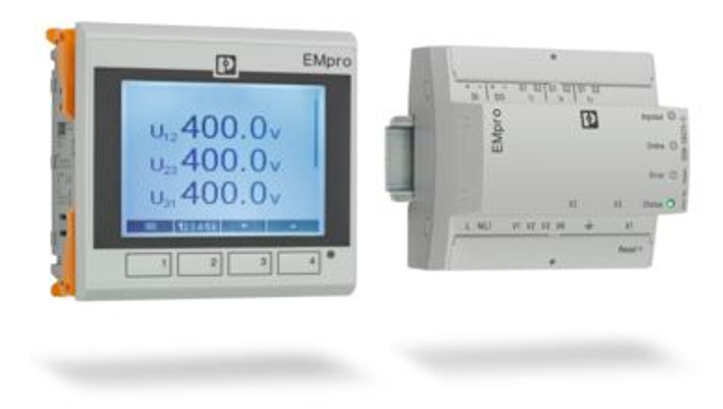
- Detect voltage drops and fluctuations
- Identify phase loss conditions
- Track power factor performance
- Compare measured energy usage to utility billing data
This level of insight helps manufacturers identify power quality issues, inefficiencies, and billing discrepancies that would otherwise go unnoticed.
VFDs and Soft Starters with Communication
Variable Frequency Drives (VFDs) and soft starters equipped with Ethernet/IP or similar communication protocols are powerful energy monitoring tools. In addition to controlling motor speed and torque, modern drives can report:
- Real power (kW)
- Energy consumption (kWh totalizers)
- Apparent power (kVA)
- Reactive power (kVAR)
- Power factor
- Per-phase current and voltage
Even non-networked VFDs often provide a 4–20 mA analog output representing power, allowing integration with PLC systems.
This data enables detailed analysis of motor load, efficiency, and energy intensity at the equipment level.
Power Transducers
High-Level Power Monitors
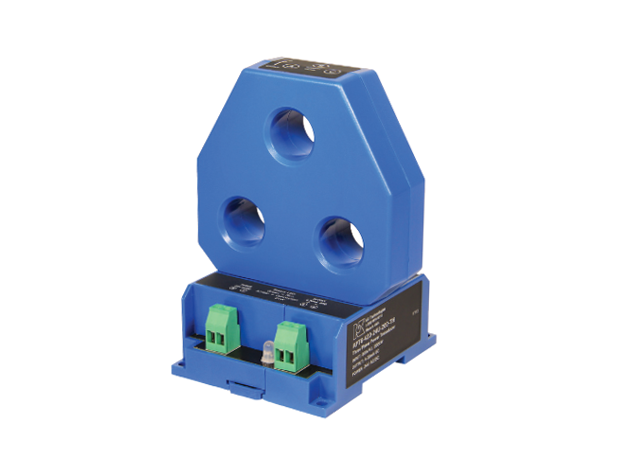
For motors and loads that are not controlled by VFDs or soft starters, power transducers provide a cost-effective solution. These devices output an analog signal proportional to real power consumed, allowing manufacturers to monitor legacy equipment and gain insight without major upgrades.
Business Impact: Cost Reduction and Efficiency
Identifying Inefficiencies
Energy monitoring makes inefficiencies visible. Motors running unloaded, equipment left idling, poorly tuned processes, and worn components all reveal themselves through abnormal energy patterns. Once identified, these inefficiencies can be corrected through operational changes or targeted maintenance.
Quantifying ROI
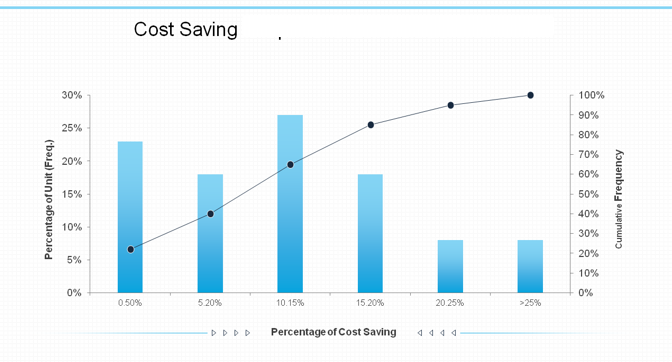
For motors and loads that are not controlled by VFDs Small efficiency improvements can yield significant financial returns. For example, a 2–5% reduction in energy consumption across a large feed mill can result in substantial annual savings. Energy monitoring provides the data needed to quantify these savings and justify investments in equipment upgrades, automation, or process changes.
Load Balancing and Scheduling
By understanding when energy demand peaks occur, manufacturers can adjust production schedules to avoid unnecessary demand charges. Load balancing across multiple lines or processes further reduces strain on electrical infrastructure and lowers operating costs.
Practical Applications in Feed and Pellet Manufacturing
Grinding Operations
Grinding is one of the most energy-intensive processes in a feed mill. Energy monitoring supports several optimization strategies:
- Controlled Ramp-Up – Slowing motor ramp-up reduces inrush current spikes and prevents demand penalties.
- Energy per Ton Tracking – Monitoring kWh per ton helps identify hammer and screen wear.
- Product-Specific Strategies – Finer grinds consume more energy than coarser grinds; monitoring helps balance quality requirements with energy costs.
- System Design Improvements – Minimizing idle machinery and optimizing material flow reduces wasted energy.
In multi-product environments, energy data can also guide decisions such as avoiding simultaneous grinding of difficult materials on multiple mills.
Pelleting Operations
Pelleting presents its own energy challenges, and monitoring provides valuable insight:
- Start-Up Optimization – Slow ramp-up prevents current spikes and reduces mechanical stress.
- Die and Roll Condition Monitoring – Rising energy per ton often indicates worn dies or rolls.
- Steam Quality Management – Poor steam quality increases energy usage and reduces pellet quality.
- Cooler Fan Optimization – Adjusting fan speed based on actual demand reduces unnecessary power consumption.
- Formulation Awareness – Changes in formulation may reduce ingredient cost but increase energy cost; monitoring reveals the true impact.
Energy comparisons between new and worn dies and rolls clearly illustrate the cost of delayed maintenance.
Compressed Air and Steam Systems
Compressed air and steam often account for a significant portion of total energy use:
- Compressed Air – Energy monitoring helps identify air leaks and unnecessary usage, such as continuously running vibrators or baghouses.
- Steam – Tracking steam or natural gas usage per pellet run reveals inefficiencies and supports better boiler management.
- Idle Equipment Shutdown – Automation can ensure fans, compressors, and conveyors shut down when not in use.
Energy Savings Through Automation and Control
Variable Frequency Drives
Adding VFDs is one of the most effective energy-saving strategies. Benefits include:
- Speed control based on process requirements
- Reduced mechanical wear
- Lower energy consumption during partial load operation
- Elimination of unnecessary full-speed operation
In hammermills and pellet mills, long ramp-up times prevent demand spikes, while low-speed operation between runs reduces wasted energy.
Automation Strategies
Automation amplifies the value of energy monitoring by enabling intelligent responses to energy data:
- Automatically shutting down unused equipment
- Detecting cleanout completion via motor load
- Preventing simultaneous starts of large motors
- Implementing peak shaving and demand limiting strategies
- Warning or blocking operators when actions would exceed demand limits
Peak Shaving and Demand Limiting
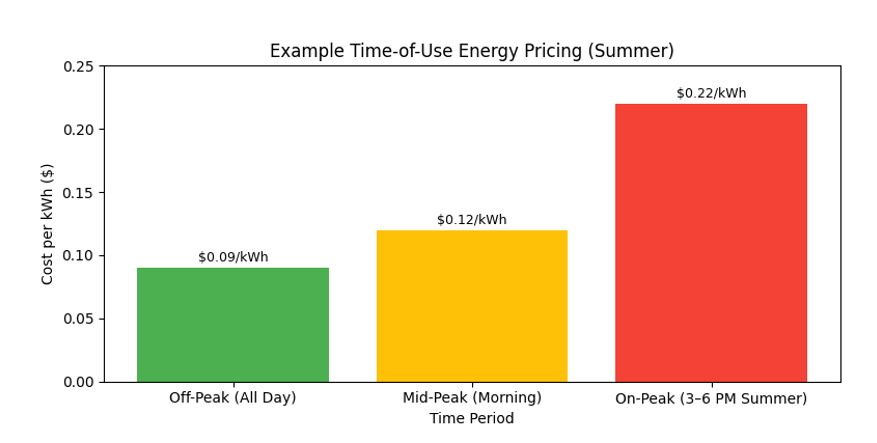
Peak shaving and demand limiting strategies prevent facilities from exceeding preset kW thresholds. Automatic load shedding prioritizes critical equipment while temporarily shutting down non-essential loads, protecting against costly demand charges and improving grid stability.
Beyond Cost Savings: Predictive Maintenance and Sustainability
Energy monitoring is not just about saving money—it also supports:
- Predictive Maintenance – Changes in energy consumption often signal mechanical issues before failure occurs.
- Improved Reliability – Early detection of voltage drops, phase loss, or overload conditions reduces unplanned downtime.
- Sustainability Goals – Accurate energy data supports carbon reporting, efficiency benchmarks, and long-term sustainability initiatives.
By embedding energy awareness into daily operations, manufacturers build a culture of continuous improvement.
Market Drivers & Financial Benchmarks – Energy Monitoring in Animal Feed Manufacturing
- Energy Intensity: A typical U.S. feed mill consumes 40–60 kWh per ton of compound feed. With the U.S. producing approximately 240–270 million metric tons of feed annually, the total industry energy demand is massive, making energy monitoring software a high-ROI investment.
- High-Consumption Processes: Feed manufacturing’s most energy-heavy stages: pelleting (40%), grinding/milling (26%), and mixing (9%).
- Efficiency Gains: Strategic energy management can reduce mill energy costs by 5% to 25% by optimizing peak demand and identifying equipment inefficiencies.
Conclusion
There is no single solution that instantly delivers energy savings in process manufacturing. Meaningful improvement requires accurate measurement, thoughtful analysis, and consistent execution. Energy monitoring provides the foundation for this effort.
By delivering real-time visibility into energy consumption at the equipment and process level, energy monitoring turns energy from an overhead expense into a controllable variable. Manufacturers gain the ability to identify inefficiencies, optimize operations, reduce peak demand, and make data-driven decisions that improve profitability.
In feed mills and pelleting operations, the benefits are especially clear. From grinding and pelleting to compressed air and steam systems, energy monitoring reveals opportunities that would otherwise remain hidden. When combined with automation, VFDs, and intelligent control strategies, these insights translate into measurable cost savings, improved reliability, and long-term sustainability.
Energy efficiency is not achieved overnight—but with the right data and tools, it becomes a strategic advantage. Energy monitoring is the first and most critical step on that journey.
